
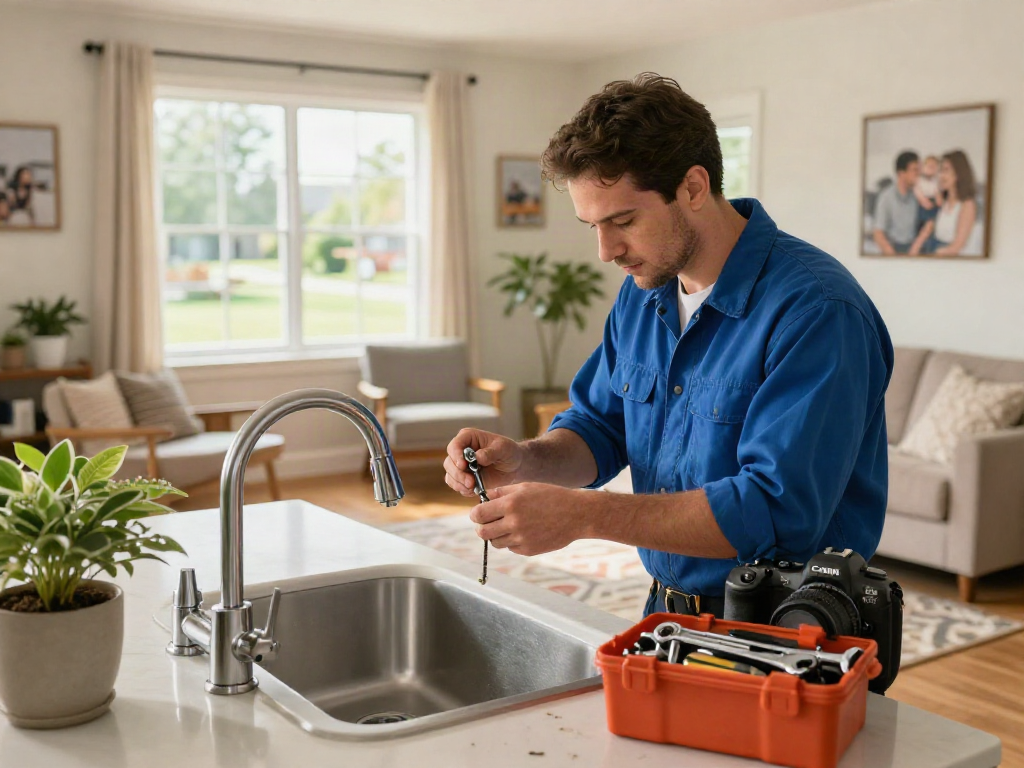
Understanding Home Repair Services in Des Moines Iowa
Home repair is an integral part of maintaining the integrity and value of your property. In Des Moines, Iowa, homeowners face unique challenges due to the region's climate and housing styles. Whether it's fixing a leaky roof or addressing plumbing issues, knowing how to navigate home repair services effectively can save time and money. When exploring options, home repair services Des Moines Iowa provides comprehensive insights into local solutions tailored to your needs. Understanding these services can empower you to make informed decisions about your home.
What Are the Most Common Home Repairs?
Home repairs vary widely, but certain issues tend to be more prevalent than others. Among the most common home repairs in Des Moines include:
- Roof repairs: Damage from weather can lead to leaks and structural issues.
- Plumbing fixes: Leaky faucets and burst pipes are frequent concerns.
- Electrical upgrades: Outdated wiring and malfunctioning outlets need attention for safety.
- Drywall repairs: Cracks and holes occur from everyday wear and tear.
- Painting: Freshening up interior and exterior walls can enhance your home's appeal.
Addressing these common repairs in a timely manner is vital to prevent further damage and costly replacements.
Identifying Your Home Repair Needs
Understanding your home repair needs starts with a thorough assessment of your property. Regular inspections can help identify potential issues before they escalate into major repairs. Here are some steps to help you identify your needs:
- Conduct seasonal inspections focusing on the roof, gutters, and foundation.
- Check for signs of water damage, such as stains or mold in basements and ceilings.
- Test electrical outlets and appliances for functionality.
- Review your home’s plumbing system for leaks or clogs.
By being proactive, homeowners in Des Moines can mitigate the risks associated with common repairs.
The Importance of Professional Services
While some minor repairs can be tackled as DIY projects, others require the expertise of professional services. Hiring a qualified contractor ensures that repairs are executed correctly and safely. Professionals bring knowledge, experience, and the right tools to the job, which can save you from costly mistakes. Moreover, many reputable contractors offer warranties on their work, providing peace of mind for homeowners.
Choosing the Right Contractor
Selecting the right contractor is crucial to the success of your home repair projects. Here are some essential tips to help you choose wisely:
What to Look for in Home Repair Contractors?
When evaluating contractors, consider the following criteria:
- Licensing and insurance: Ensure the contractor has the necessary licenses to operate in Iowa and carries proper insurance to protect you from liability.
- Experience: Look for contractors with a proven track record in home repairs similar to your needs.
- Reviews and ratings: Check online reviews and ask for references from past clients to gauge customer satisfaction.
Reviewing Credentials and Experience
It's important to verify that the contractor's credentials align with your specific repair needs. This might include checking their licensing with the Iowa state regulations and confirming their experience with similar projects. Additionally, ask about their approach to repairs and whether they provide estimates prior to starting any work.
Getting Recommendations and References
Word of mouth can be a valuable resource when selecting a contractor. Ask friends, family, and neighbors for recommendations based on their own experiences. Online platforms and forums can also provide insights into reliable contractors in your area. Don't hesitate to ask potential contractors for references and follow up with previous clients to inquire about their satisfaction with the work performed.
Cost Factors in Home Repairs
The cost of home repairs can vary significantly based on several factors. Understanding these can help you budget more effectively for maintenance.
Understanding Pricing Structures for Home Repair
Home repair costs generally depend on the nature of the repair, the materials used, and labor expenses. Contractors may charge by the hour or provide a flat rate based on the project scope. It's important to obtain multiple estimates to compare costs and ensure you're getting a fair price.
Budgeting for Home Maintenance
Budgeting for home maintenance is essential for avoiding sudden financial strains. As a rule of thumb, homeowners should allocate 1-3% of their home's value each year for maintenance and repairs. Regularly setting aside funds can help you manage unexpected repair costs without impacting your financial stability.
Examples of Typical Repair Costs
Here are some common repair costs you might encounter:
- Roof repairs: $300 to $1,500 depending on the extent of the damage.
- Plumbing services: Average hourly rates range from $45 to $200.
- Electrical work: Minor repairs generally cost between $75 and $150.
- Drywall installation: Pricing can range from $1.50 to $3.50 per square foot.
Understanding these costs can help you plan effectively for your home's upkeep.
Common Challenges in Home Repair
Home repairs are not without their challenges. Homeowners often face obstacles that can complicate the repair process.
What Obstacles Homeowners Face?
Some common challenges include:
- Lack of knowledge: Understanding the specifics of home repair can be overwhelming.
- Time constraints: Homeowners may struggle to find time to manage repairs amidst their busy schedules.
- Unexpected issues: Hidden problems may arise during repairs, increasing costs and timelines.
Overcoming Misconceptions About DIY vs. Professional Help
Many homeowners believe that DIY repairs are always more cost-effective than hiring professionals. However, this can lead to pitfalls, particularly if the repair requires specialized skills. Understanding when to call a professional can save both time and money, ensuring that the repair is done correctly the first time.
How to Handle Unexpected Repair Issues?
Unexpected repair issues are a common occurrence in home maintenance. Here are some tips for handling them effectively:
- Stay calm and assess the situation before making any hasty decisions.
- Consult your contractor or a professional to determine the best course of action.
- Adjust your budget and timeline, if necessary, to accommodate unforeseen repairs.
Future Trends in Home Repair Services
The home repair industry continuously evolves to meet homeowners' needs. Here are some trends to watch for in 2026 and beyond:
Innovative Techniques and Tools Emerging in 2026
Technology is revolutionizing home repair services. From drone inspections for roofs to advanced diagnostic tools that help identify plumbing issues, innovative solutions are making repairs more efficient and accurate.
The Role of Technology in Home Repairs
Smart home technology is increasingly integrated into home repairs. Apps that track home maintenance schedules, smart sensors that detect leaks, and online platforms that connect homeowners with contractors are becoming essential tools for managing home repairs.
Predictions for Home Repair Services Market
Experts predict a substantial growth in the home repair services market as more homeowners prioritize maintenance and repair over new purchases. Sustainable materials and eco-friendly repair practices are also likely to gain traction, appealing to environmentally conscious consumers.
What Questions Should You Ask Before Hiring?
Before hiring a contractor, ask the following questions:
- What is your experience with similar projects?
- Can you provide references and a portfolio of past work?
- What is your estimated timeline for completion?
- Do you have insurance and proper licensing?
How Long Do Home Repairs Usually Take?
The duration of home repairs varies greatly depending on the project's complexity. Simple tasks like painting may take a day, while more extensive repairs, such as roof replacements, can take several days to weeks. It's essential to communicate timelines clearly with your contractor.
What Are the Best Practices for Home Maintenance?
To ensure your home remains in good condition, adhere to these best practices:
- Establish a regular maintenance schedule that includes seasonal inspections.
- Keep records of repairs and maintenance performed to track progress over time.
- Invest in quality materials and services to avoid frequent repairs.
By following these best practices and being proactive about home maintenance, homeowners in Des Moines can enjoy a safe, comfortable living environment while preserving their investment.